
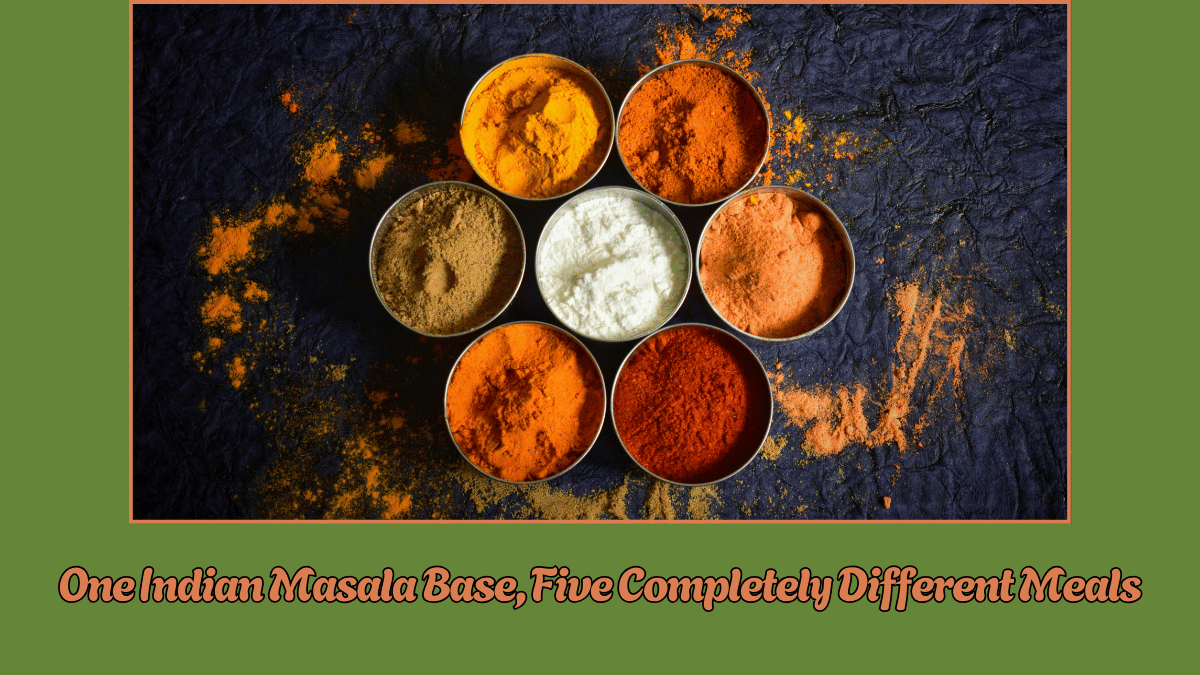
The Indian food might appear to be more complicated than it ought to be to prepare on an everyday basis. You chop onions, tomatoes, ginger, garlic and chillies, boil it until it is cooked and put spices and facilitate the masala in attaining the desired consistency. The next day you begin to repeat the process that is basically the same.
A more sensible method of cooking.
A great variety of dishes are entirely opposite, and made of a good Indian masala base. You take a curry base, and cook one batch per week with tomatoes and onions and then make any variation you want instead of making batches of each one separately.
Base is the most significant word of this. You are not making five various currys with another main ingredient. Liquid, the final texture, finishing spices, dairy, herbs and cooking method are different on meal to meal.
One batch of masala can be utilized to create a warming dal, creamy paneer curry, fast chickpea masala, vegetable pulao and even a chicken curry. This system has the ability to cut down on the repetition of preparation without rendering dinner as repetitive.
What is Simple Indian Masala Base?
An Indian masala base is a cooked blend of aromatics, vegetables and spices, which is the base of many dishes.
To come up with a daily adaptable version, you require:
- 3 tablespoons oil
- 4 medium onions, finely chopped
- 2 tablespoons ginger-garlic paste
- 5 tomatoes, medium, pureed or chopped.
- 1-2 green chillies, in small pieces.
- 1 teaspoon cumin seeds
- 1½ teaspoons ground coriander
- 1 teaspoon turmeric
- 1 teaspoon Kashmiri chilli powder.
- Salt to taste
This is a purposeful simplicity.
Please do not cram the master batch with cream, coconut milk, colossal quantities of garam masala, kasuri methi or any other pungent finishers. These ingredients come in handy at a later stage, when you are making up your mind what you will make of the base.
The ingredients of preparing the Master Masala
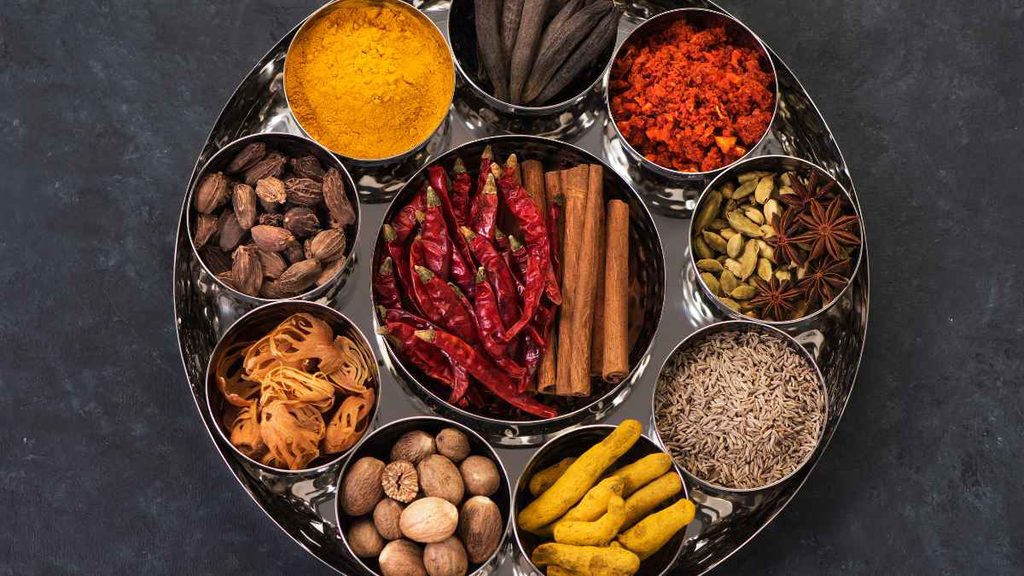
Step 1: Start with Cumin and Onion.
- In a heavy pan, heat the oil on medium heat.
- Put in cumin seeds, and allow them to sizzle. Chopped onions are added and cooked till soft and golden.
- You have time to take at this step. Skillfully cooked onions are sweet and will provide body and depth.
Step 2: Stir in Ginger, Garlic and Chilli.
- Add green chilli and ginger-garlic paste.
- Bake until the uncooked raw aroma of the ginger and the garlic disappears. Gently stir to prevent sticking of the mixture at the bottom of the pan.
Step 3: Add Dry Spices and Tomatoes.
- Add tomatoes, coriander, turmeric, Kashmiri chilli powder and salt.
- Cook in medium to medium-low heat stirring occasionally.
- Water will be lost by the tomatoes first. The moisture is evaporated as the cooking process goes on resulting in a thicker and more concentrated mixture.
Step 4: Cook till Concentrated.
- Keep cooking till the masala becomes thick and not watery and the raw tomato taste is gone.
- That now you have your master Indian masala base.
- Allow to cool down to the correct temperature and then divide into storing portions. The amount you will get will exactly depend upon the size and the quantity of water in your tomatoes and onions and it is better to measure in cups or weight than to expect a given number of servings.
Five-Meal Masala System
The steps that follow are then to move the same base in five directions.
| Meal | Main Addition | Liquid/Texture | Key Finishing Flavors | Character |
|---|---|---|---|---|
| Masala Dal | Cooked lentils | Loose and spoonable | Ghee, cumin, coriander | Comforting |
| Paneer Masala | Paneer | Thick and creamy | Cream, garam masala, kasuri methi | Rich |
| Chana Masala | Chickpeas | Medium-thick | Amchur, garam masala, coriander. | Tangy and hearty |
| Masala Pulao | Basmati rice + vegetables | Mostly dry | Entire spices, mint, lemon. | Aromatic |
| Chicken Curry | Chicken | Gravy-style | Garam masala, coriander | Savory and robust |
The table demonstrates that the flexibility of making the base of meals is higher than making the whole meals.
Meal 1: Masala Dal
One of them that is the least complex to cook is the Dal since cooked lentils already have a texture and a body.
How to Make It
- Cook 1 cup of your choice of dal (moong, masoor or toor dal) until soft.
- Ready-made masala base In a saucepan, warm a sufficient amount of ready-made masala base (about 1/2 to 3/4 cup). Add cooked dal and add enough water until you get the desired consistency.
- Bake in a pan 5-10 minutes.
- To provide a more refined finish, warm a little ghee in its own right; put in cumin seeds, dried red chilli or garlic. Add this tadka in the dal.
- Serve with fresh coriander and squeeze of lemon, to taste.
The dish does not have the original base flavour due to lentils to dilute the intensity of the masala and a new dimension of aroma due to the final tadka.
Meal 2: Paneer Masala Creamy
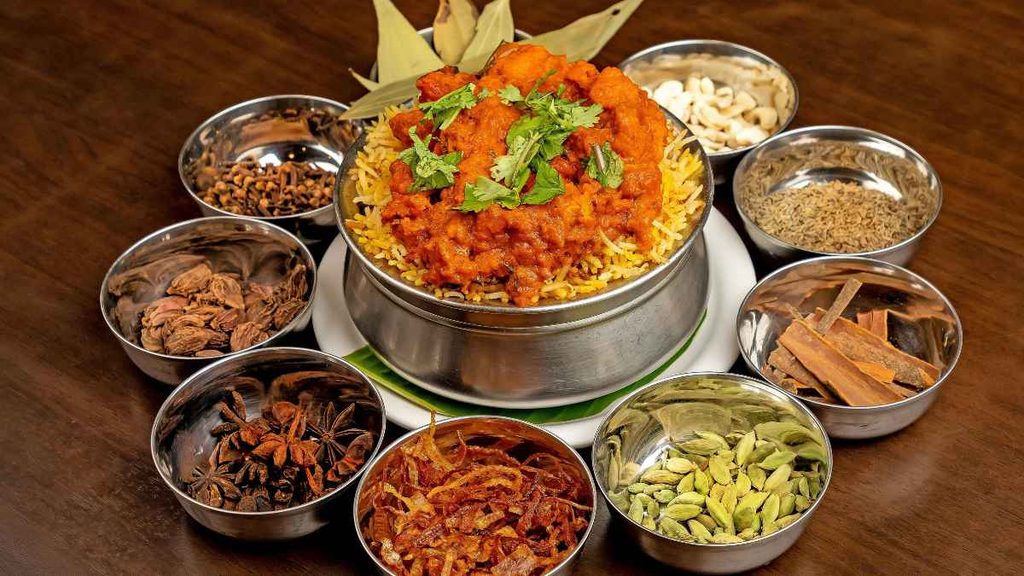
The identical masala can take a totally different turn with dairy, paneer and aromatic finishing spices.
How to Make It
Heat approximately ¾ cup of masala base.
Add a bit of water, and simmer 23 minutes. To give the gravy a smoother texture like one in a restaurant you can combine the masala, and then add the paneer.
Add:
- 200–250 g paneer cubes
- 2–3 tablespoons cream
- ½ teaspoon garam masala
- ½ teaspoon crushed kasuri methi
- Bake until paneer is cooked.
- In case the gravy becomes too thick, some hot water is put in it. Finish with coriander.
The acidity and the chilli spiciness is diluted in cream and paneer which renders this dish more luxurious, creamy and less spicy as compared to the master masala.
Meal 3: Fast Chana Masala.
Chickpeas go particularly well with an onion-tomato base, although they like additional acidity and spice on the side.
How to Make It
Heat around ¾ cup of masala base in a pan.
Add 2 cups cooked chickpeas, and 1/2-1 cup water, as much gravy as you desire.
Add:
- ½ teaspoon garam masala
- ½ teaspoon amchur
- A tablespoon of cumin powder, roasted.
- Salt if required
- Simmer for 10–15 minutes.
- Add a small amount of mashing of chickpeas to the pan. It will not require cream or flour to thicken the gravy naturally since it will thicken the sauce as well as it contains starch.
- Add lemon juice and coriander, it may require to be more acidic.
Accompaniment: accompany with roti, rice or naan.
Meal 4: One Pot Masala vegetable pulao.
You need not even prepare your masala base into a gravy.
It can be used with basmati rice to form a one-pot dish that is aromatic.
How to Make It
Wash 1 cup of basmati rice till the water is relatively clear and then moisturize it as you are used to cooking rice.
Heat some oil or ghee in a pot.
Entire spices may be put in to add additional aroma and they may contain:
- 1 bay leaf
- 2–3 cloves
- 2 green cardamom pods
- A mote of cinnamon.
- Add approximately ½ cup of masala base.
- Add 1-11/2 cups of mixed vegetables such as peas, carrots, beans or cauliflower.
- Add in the rice that you have utilized and water based on the type of rice and mode of cooking that you are using.
- Bake until the rice is soft, and the grains of rice are not clinging to one another.
- Serve with mint, coriander or lemon juice.
This conversion is especially helpful since the masala will not be left in the form of a sauce but rather be absorbed into the rice.
Meal 5: Home-Style Chicken Curry
Chicken will add savour to the masala, and make it a meal.
How to Make It
- Heat about 1 cup of base of masala in a pan.
- Add 500 g of chicken pieces and thoroughly mix to make sure that every piece is coated with masala.
- Give it a couple of minutes of cooking and pour in as much hot water as you wish to get the amount of gravy that you want.
- Cover and cook till chicken is thoroughly cooked.
- Towards the end add garam masala and serve with fresh coriander.
In order to have a safe food, one should not make a judgment of the cooked chicken by color. The USDA Food Safety and Inspection Service recommend that poultry is to be cooked to at least 165 F (73.9 C) using a food thermometer.
In the USDA food-safety basics of the Food Safety and Inspection service, comprehensive home-food safety guidelines are available.
Why These 5 Meals do not Taste the same
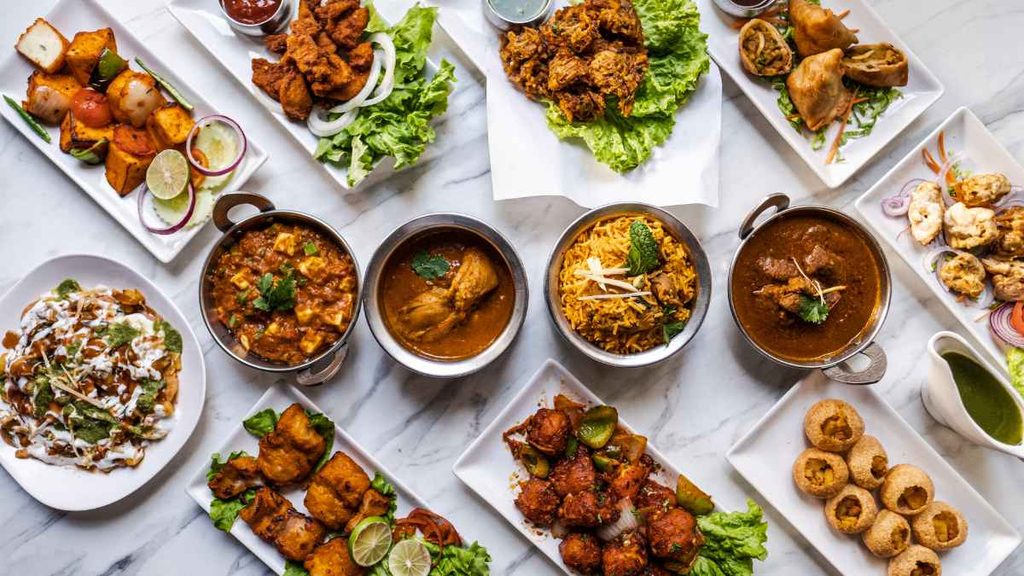
With the use of one base of masala, it does not mean that the same curry must be eaten every day.
Make the foundation an initial step of the flavour and not the final dish.
The end product is modified by a number of variables.
Fat alters the Experience.
- Ghee adds a spicy touch of warmth to dal.
- Paneer masala is flavoured with cream and enriched.
- A moderately limited quantity of oil maintains chana masala fresher and stronger.
Water Changes Texture
- To add more liquid we do add Dal or curry.
- Thick chana masala is the less liquid.
- In pulao rice the liquid in which it is cooked is absorbed.
The Spices Identity Full
- Vasuri methi throws in another direction paneer curry.
- Amchur is spicy tasting chana.
- Pulao is spicy, and contains whole cardamom, cinnamon and cloves.
- Dal is prepared by including a new tadka which is not possible when merely heating up the base.
The Main Ingredient Matters
It is different with the combination of spices and Lentils, paneer, chickpeas, rice and chicken.
Paneer is a creamy sauce that is carried. Chickpeas contribute starch. The gravy is added to Lentils. Rice will imbibe experienced liquor and chicken will release juices as it cooks.
This is what will turn the end meals into another world despite having the same pan in the beginning.
Precautions on how to preserve your Masala Base.
Making up meals in advance can only be effective when preserved properly.
Preparation of cooked base can be done in smaller containers as opposed to heating and cooling a large container many times.
The USDA recommends that cooked leftover be refrigerated as soon as possible and in most cases, refrigerated leftovers should be consumed in 3-4 days. Long term can be frozen. Reheating of leftovers to 165 o F is also recommended by the USDA.
The simplest alternative is to only retain as quantities that are likely to be used in the near future in the refrigerator and freeze the rest in meal sized portions.
The label of frozen portions should be marked with the date of preparation so that the old ones should be used first.
What to do to make the system even faster.
You can learn the technique and as soon as you learn it you can practice the technique at home.
Portion Before Storing
Prepare masala in separate cooking portions. then you just thaw what you require.
Make the Master Base a Neutral.
A very longstanding foundation provides you with fewer options.
Store powerful ingredients like cream, coconut milk, kasuri methi, amchur and huge quantities of garam masala out of master batch.
Added in the last transformation.
Prepare Flexible Ingredients
Have a few simple additions on board, e.g.:
- Cooked chickpeas
- Paneer
- Frozen peas
- Basmati rice
- Lentils
- Fresh coriander
- Yogurt
- Lemons
You can then make your decision about dinner based on what you have and not in an entire recipe.
Mistakes to avoid.
Base Too Watery.
The less concentrated ones are watery master masala which provide you with less control of the end product.
Prior to the storage of the base, reduce the tomatoes.
Sprinkling Garam Masala Thick and Thin.
Garam masala is mostly used as a final spice. Having a large number in the master batch can make all transformations to have a similar taste.
With the same Finish Each Time.
Once the food has been spiced with the same masala, water and garam masala, the food is bound to be tedious.
Modify the texture, fat, acidity, spices and herbs.
Assuming the Fixed Measures to be always effective.
Onions and tomatoes differ widely in terms of size and moisture.
Use the values of this system as convenient initial values. Add flavor during cooking and modify salt, water, acidity and heat based on the ingredients you have before you.
Conclusion
One Indian masala base, five meals is not the procedure of creating one giant curry and varying versions of the same all through the week. It is a food-system of doing the monotonous element of Indian food once, and of storing the ultimate nature of every food till a later moment.
Prepare a onion-tomato masala which is balanced and then transform it into dal with a fresh tadka, cream paneer masala, tangy chana masala, spicy vegetable pulao or home-style chicken curry.
Flexibility is the most beneficial. Not only are you saving time on chopping and browning aromatics but you are also able to make decisions on what to cook daily on whether it will be creamy, tangy, comfy, dry or rice-based or gravy-rich.
Once you understand how to make masala as a base, not as a pre-cooked sauce then it would be much easier to plan Indian everyday meal.
FAQs
Can I freeze an Indian masala base?
Yes. Put the chilled masala in meal-size portions and freeze into appropriate airtight containers. This enables you to defrost what you need to prepare in a particular meal. USDA guidelines point out that freezing of the already cooked leftovers prolongs the storage period but the quality might decrease as the frozen leftovers remain stored.
How can I stop all five dishes from tasting the same?
Alter finishing ingredients and method of cooking. Make tadka, cream and kasuri methi with paneer, amchur with chickpeas, whole spices with pulao and a gravy as final with chicken. Vary the amount of water, fat and fresh herbs also.
Can I make the masala base without onion or garlic?
Yes. You can construct a different base with tomatoes, ginger, cumin and other spices. This will have a different taste and feel, and therefore you might have to change the amount of tomatoes, and substitute it with other items in order to give body.