
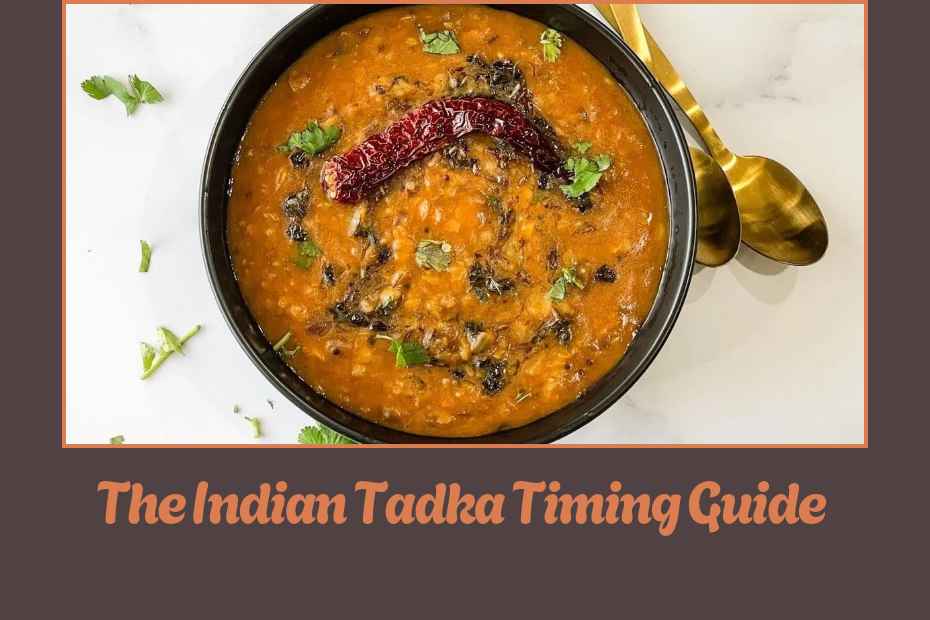
Indian Tadka Timing Guide: There is more than just a question of which spices you use in Indian cooking. Not less important is on what you add them.
A case in point is cumin seeds. First, they are hot oil, with nuts, which have been roasted and well mixed into the dish. Halfway through the cooking process, add cumin powder, which adds a more warming background taste. Roast in cumin sprinkle towards the end and its smell is a lot more pronounced.
The result is totally different, but the ingredient may be the same.
This is what makes two cooks with nearly the same lists of ingredients create curries, dals and vegetable dishes that have a significant difference in taste. The aroma and flavor are altered by the frying, simmers and finishing of spices process.
An Indian guide that informs you when to add the spices in the pan at each stage, which spices work best at each stage, common traps in tadka, and the ways that you can add more flavor without necessarily adding more spice.
What is Tadka in Indian Cooking?
Tadka or tempering is a process where spices and other aromatic ingredients are heated in fat in a short period of time to liberate and convert their flavors.
The fat could be:
- Ghee
- Mustard oil
- Peanut oil
- Coconut oil
- Vegetable oil
- alternative cooking oil.
Tadka may consist of cumin seeds, mustard seeds, dried red chillies, curry leaves, asafoetida, garlic, ginger, fenugreek, cloves, cinnamon or other aromatics.
But tadka is by no means always done on the same point of a recipe.
Curing is the first flavoring of some dishes. In other varieties, cooked dal is served with a sizzling tadka on it. Both techniques can be used successfully to present recipes.
That timing variation counts.
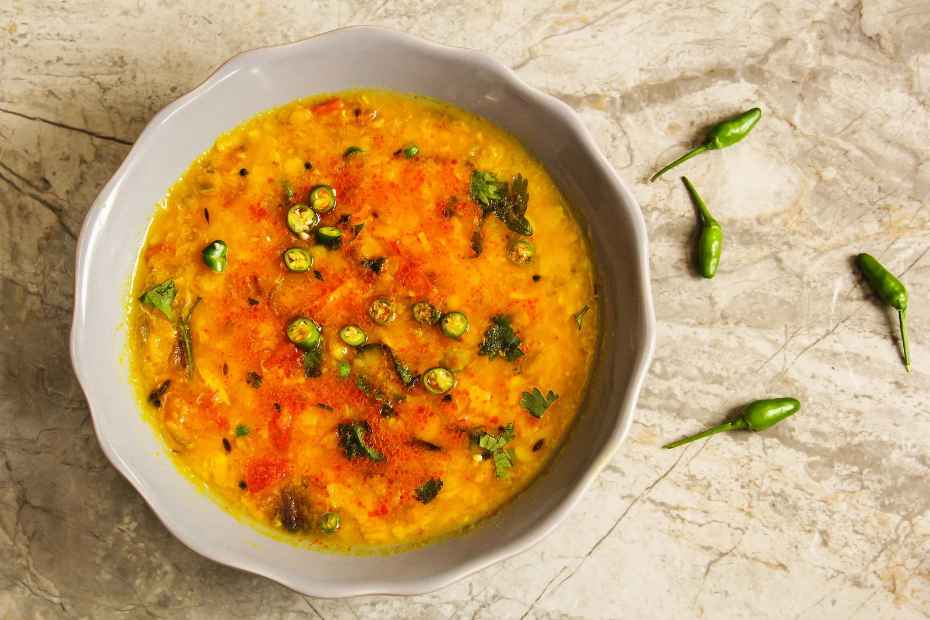
What Makes Spice Timing Taste?
Spices contain a number of aromatic compounds. The cooking changes the release, distribution and perception of those compounds.
The fat is especially important because most of the flavor substances of spices are carried well with the fats used in cooking. Therefore, it is possible to spread spices in a dish, heating them in oil or ghee.
Even spices themselves are heat changed.
An uncooked cumin seed does not smell of toasted cumin per se. Golden fried garlic tastes different as compared to raw garlic. Another experience that does not simmer the chilli powder 20 minutes in gravy is cooked with a small quantity of oil and is then known as a dry chilli.
Another variable is time.
An added spice will be more likely to mix with onions, tomatoes, water, vegetables, meat, lentils and fat. A spice that is added last gets considerably less cooking, and so its instant aroma might be more apparent.
Instead of mixing the spices into a single dish at a single time, consider the Indian cooking as piling up flavors.
Indian Tadka Time Guide
| Cooking Stage | Typical Ingredients | Key Impact | Character of Flavor. |
|---|---|---|---|
| Beginning | Cumin seeds, mustard seeds, whole spices | Blooms spices in fat | Deep, toasted, mixed. |
| Add whole spices | Onion, garlic, ginger, green chilli | Develops aromatic base | Savoury and rounded. |
| When cooking masala | Turmeric, coriander, chilli powder | Builds up body of dish | Warm and balanced. |
| In simmersing | Bay leaf, cinnamon, cardamom | Slack infusion, | Rich and low. |
| Later on, towards the end, | Garam masala, roasted cumin | Aromatic impact is felt | Smelly and detectable. |
| Final tadka | Cumin, chilli, garlic, curry leaves | Develops new top crust | Bold and aromatic. |
| By eliminating heat | Herbs and choice finishing spices | Minimal exposure to heat | Fresh and bright. |
The exact order will vary according to the recipe, although having this knowledge will go a long way in controlling the end product.
Stage 1: Hot Fat to Add Entire Spices.
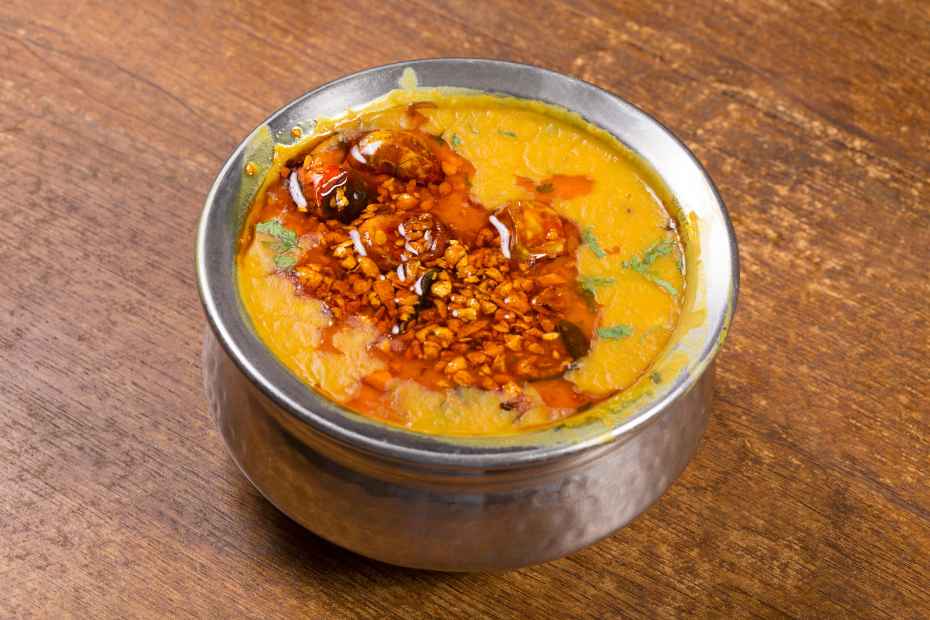
An Indian meal will usually begin with the heating of oil or ghee with whole spices.
This may include:
- Cumin seeds
- Mustard seeds
- Cloves
- Cardamom
- Cinnamon
- Bay leaves
- Fennel seeds
- Fenugreek seeds
What Occurs at this Step?
Hot fat extracts and transports aromatic compounds of the spices. In the meantime, their rawness is changed by the slight frying.
Cumin is toasted and further crushed. The mustard seeds develop their pungency of nut. Whole spices of warming such as cardamom, cinnamon and cloves are beginning to form the background aroma of the dish.
Since these spices are put in at the beginning, they get time to permeate all that is cooked later.
The highest Hazard: Burning.
The difference between spices that bloom and those that are burnt is only small.
Powder form of tiny seeds and spices may be scalded within a short time in case the oil is too hot. Burnt spices normally possess bitter tastes that are hard to conceal in the future.
Watch and smell the spices, instead of using a set duration of seconds. You desire an active sizzling and a nice smell, not blackened spices and smoke.
Stage 2: Addition of Aromatics To Tadka.
Once all the spices are exhausted in their aroma, other ingredients such as onions, ginger, garlic, and green chillies are normally put in the recipes.
This forms another level of flavor.
The time of taking Garlic matters.
An example of timing and flavor is good in garlic.
Lightly cooked and in a brief time, or it ceases to be pungent. Bake it until it becomes a bit golden and then it acquires a sweeter and nutty flavor. Give it to the nth degree and bitterness will be king.
This is the case with onions.
Onions that are cooked slowly till brown provide a sweeter richer base as compared to onions cooked till translucent. There is no automatic superiority of either technique. The correct choice will depend on the dish.
Stage 3: Masala with Ground Spices.
After the onions and other aromatics have been cooked, ground spices are frequently added to the pan.
Common examples include:
- Turmeric
- Coriander powder
- Red chilli powder
- Cumin powder
In this stage, the majority of recipes roast the spices with onion, tomato, yogurt or any other wet material.
Why Not Ground Whole Spices Fry Ground Spices?
Surface area occupied by ground spices is significantly higher than the whole spice ones. Therefore, they will easily burn when brought directly in contact with hot fat that is very hot.
This does not mean that they should not be fried. Quick cooking may eliminate a crude, dusty flavor and assist their taste to blend into the masala.
The key is control.
Should the pan dry up, a splash of water or any other recipe water can be added to prevent any scalding during the process as the masala continues to cook.
Stage 4: Added Spices in Simmersing.
Spices are also spices that are better extracted at a slower rate.
Whole cinnamon, bay leaves, black cardamom, cloves and the like might be left in a curry as it simmers.
they do not immediately add the flavor to the liquid, but do so gradually.
It comes in quite handy in the more lengthy cooking preparations, in some meat curries, dals, biryanis and gravies.
The reason why Long Cooking Can Soften Spice Aroma.
Cooking takes a long time, which combines flavors, and, it does not mean that all the smells will be stronger forever.
Some volatile aromatic substances are lost with steam or evolve with prolonged heating. This means that a spice mixture that is put in 30 minutes prior to service might smell different as compared to the same mixture put in during the last minute.
That provides one of the most useful tricks of Indian cooking finishing spices.
Stage 5: The Stage of Adding Garam Masala Towards the End.
Garam masala is usually best used towards the end of the cooking.
Why?
Garam masala is usually a mixture of the most fragrant spices, such as cardamom, cinnamon, cloves, cumin, coriander and black pepper, although the recipes differ widely.
It should be added towards the end so that its aroma can be noticeable more.
When the garam masala is cooked over a long period of time, the flavours may be more blended but not as intense as a fresh aromatic top note.
Early vs Late Garam Masala
There is no particular reason as to why garam masala should be added earlier.
It only provides an alternative result.
Added previously: more blended, deeper, less intense flavor.
Subsequently added: more distinct smell and spicy flavor.
To add the two effects, there are cookers who will use a little in the cooking process and a little at the end.
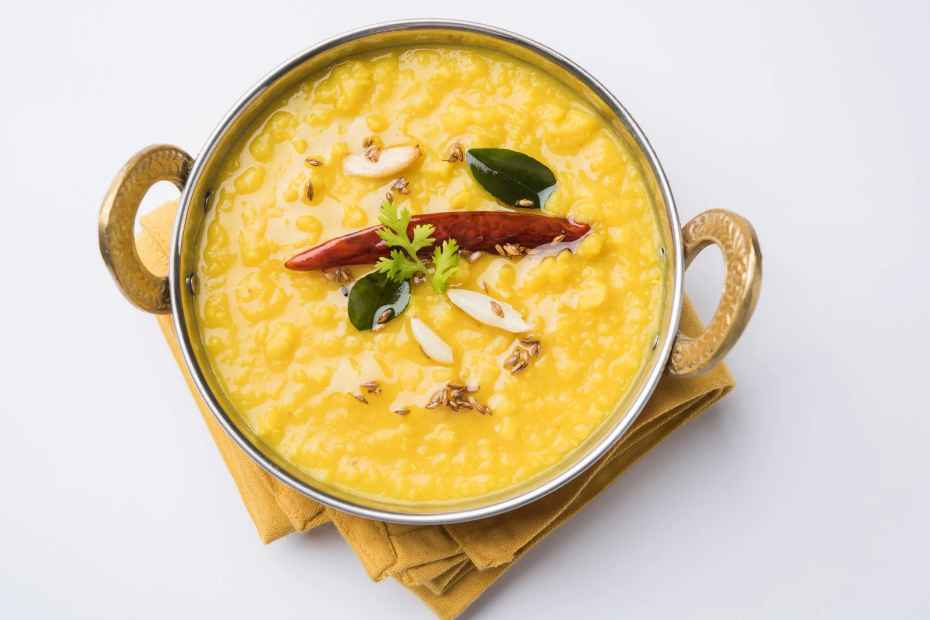
Stage 6: Final Tadka.
An ultimate tadka may entirely transform a meal that has been cooked.
This approach is mostly referred to in dal. The lentils may also be thoroughly cooked and flavoured and another tempering of ghee or oil, cumin, garlic, chilli, asafoetida or other substances prepared and then added on top.
Why Final Tadka Tastes So strong.
End tadka ingredients compared to spices that were cooked at the beginning did not require a long time to simmer.
Their newly baked smells come just prior to serving.
The oily fat is also hot, and it diffuses on the surface of the dish, and the smell can be detected by your nose as soon as you start eating.
This gives a contrast to the gentleness of the cooked base and crisper aromatic layer of the fresh tempering.
Starting Tadka vs Final Tadka.
Each of the approaches is not necessarily better than the others.
The base of the dish has a starting tadka. Its taste is more apt to blend with the other ingredients.
A final tadka is a finishing more of an aromatic. You might differentiate individual notes of cumin, garlic, chilli, mustard seed or curry leaves.
There are dishes which are good with both.
This is nice since you can add depth to the start then add a new aromatic intensity just before the service.
The effect of Timing on Chilli Heat.
The use of chillies is another example of good timing.
Whole dried chillies fried briefly in oil can be added to give a perfume to the fat and gain toasted flavours. The cooked masala of powdered chilli is more spread evenly over the dish. Later Fresh chilli can be added to give a brighter and sharper sensation.
Therefore, the arrival of the chilli will alter the manner of heat, but the quantity of the heat might remain the same.
It comes in handy in modifying a recipe.
Don’t just turn up the quantity of chilli but first think on whether you want deeper background heat or a fresher more immediate chilli personality.
Time and Curry Leaves.
South Indian cuisine is closely related to fresh curry leaves which in particular are associated with tempering.
The curry leaves create distinct aroma very quickly when they come in contact with hot oil.
They are frequently used with mustard seeds, and may be put into dried chillies, or lentils as tempering agent, or asafoetida depending on the dish.
Curry leaves are likely to splatter when wet on the surface and so should be added to hot fat.
A tadka consisting of a curry-leaf added immediately prior to service can impart a very direct aroma to leaves that had been simmered over a long time in a dish.
Typical Tadka Timing errors.
In a Word
Entire seed, powdered spices, garlic and curry leaves do not necessarily take the same amount of time to cook.
Adding it all together in very hot oil simultaneously can lead to the situation of an ingredient not cooking and the other burning.
Excessively Hot Oil
Hot oil is used in most of the tempering processes though it is not always the case that higher temperature enhances effectiveness.
When spices get blackened nearly immediately, you are possibly destroying instead of developing their delicious tastes.
Burning Garlic
Garlic golden can be quite tasty. Burned, dark garlic would render a whole tadka bitter.
Be attentive to watch color as garlic may darken within a short period of time after the process of browning has started.
Overbaking Finishing Spices.
The use of garam masala or any other mixture of aromatic ingredients when a recipe directly states its use towards the end can lead to a completely different result when used in the beginning.
Squeakily More Spice With More Flavor
Flat curry can be prepared without additional spices.
On other occasions it needs more timing.
Finding the right moment when whole spices bloom, the right moment when the masala is cooked, and a small amount of tadka can bring about more complexity than just doubling the quantities of spices.
The Building Flavor: Multiple Stages of Spice
When tadka timing is known, you may intentionally make a number of layers.
Think of a plain dal.
Use whole cumin in fat to create the base aroma. Develop the primary taste using onions, ginger, garlic, turmeric, coriander and chilli. Allow the lentils to simmer to allow those flavors to blend.
Towards the final part, add salt and a small portion of garam masala (when suitable to the recipe).
Finally, prepare another tadka using ghee, cumin, garlic and dried chilli and add it to the dal.
You now have flavor in several levels as opposed to a single level.
And that is the real advantage of being aware of spice timing.
Tadka Time and Food Safety.
Flavor technique should not be stored separately of proper food handling especially when preparations of curries, dals, rice preparation or any other food that has already been cooked are to be stored up.
FoodSafety.gov advises that the perishable foods must be refrigerated within the shortest time (2 hours), the refrigerator must be at 40F (4C) or below and to reheat the leftovers to 165F (74C). FoodSafety.gov
To get specific instructions, refer to the food-safety instructions of the U.S. government FoodSafety.gov.
These safety guidelines do not pertain to tadka technique, but they are important whenever prepared Indian food is kept (stored) and served again.
Conclusion
A spoonful more of spice is not necessarily the key to Indian cooking. At times it is merely a matter of timing.
Entire spices blossomed initially may form a rich aromatic base. Ground spices added to the masala provide it with substance and heat. Spices that are cooked in a liquid become soft and are more assimilated.
This is further enhanced by adding garam masala later on to preserve more of its aromatic character and a final tadka can give a strong final puff of fragrance and flavor.
Once these stages have been learned, recipes will become easy to read and edit.
Rather than asking questions only, like: Which spices should I add? begin asking, When should I add them?
Such a little addition can be a big difference to the end product curry, dal or sabzi.
FAQs
1. Is tadka to be put at the start or the end?
The two methods are used. A first tadka sets a foundation of flavor which bakes into the dish, and a final tadka creates a more familiar layer with a fresher smell. There are recipes that employ both.
2. Why is it a good idea to add garam masala towards the end?
This can be achieved by incorporating garam masala at the end when it can be able to maintain a larger portion of its aromatic character. The length of cooking time will add its flavor to the food and late addition will enhance the spice mixture.
3. Why are my spices bitter with the tadka?
This could have been that the oil was too hot or that the spices were cooked too long. Small seeds, ground spices, garlic, and dried chillies have a burning tendency. When the spices begin to smell, add controlled heat and transfer to the succeeding cooking process.