
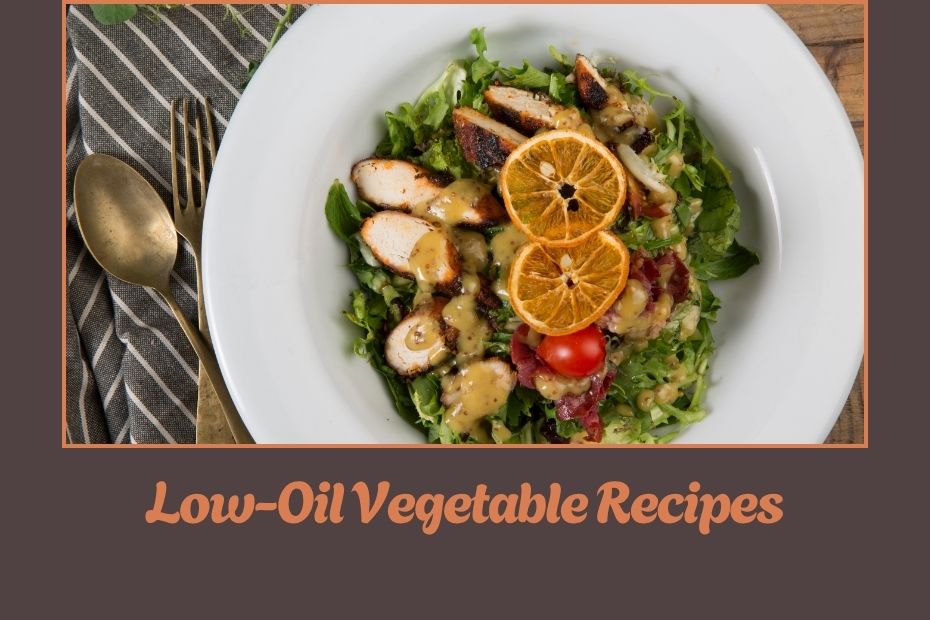
Roasting and suculent recipes which don’t use oil need some experimenting, making use of liquids like coconut milk or broth as flavor enhancers for cooking ingredients and add the flavor depth.
This type of pillar is 10 times more in depth than conventional information on the subject giving users all the information they’ll need, without overwhelming them.
Sauteing
Sauteing is a simple and tasty method to make healthy vegetable medleys that are quick and easy to make. Sauteing is among the easiest ways to use fresh produce that is in season or leftovers from the co-op box that you’re not sure of what to do with them, or make use of fresh herbs you have in your kitchen cupboards or gardens which would otherwise be thrown away as be thrown away.
Making sure that your veggies are cooked properly starts with making use of a high-quality pan as well as carefully preparing the ingredients. Choose stainless steel or non-stick skillet. Add a couple of tablespoons of the cooking fat prior to heating until it is smoky and can be seen within the pan.
Cut your vegetables in equal pieces so that they cook evenly making sure that there is no over or under cooking. Make sure not to overload your pot since if there is too much food inside, the pan could cause uneven cooking and cause a fire before the food will have had time to get ready.
After the vegetables are been cooked for ten to 12 minutes, you can add the soft vegetables – bell peppers and onions must have been softened prior to adding the mushrooms and broccoli. Continue to cook for three or four minutes or until your broccoli is soft and tender, and the Kale is wilted. Season by mixing in your preferred spice blend, then serve! The saute is delicious in its own right or with the 5-Minute Broccoli Bowls, Rainbow Veggie Nori Rolls and even Wild Rice Pilaf as a food item!
Roasting
Roasting vegetables is one the most simple and delicious methods of cooking vegetables, providing both simple cooking and tasty results. Just mix similar-sized and textured vegetables with healthy fats prior to placing them as a single layer an oven sheet with a lid to roast until the centers become tender and the outside has become golden-brown (or more dark depending upon your preference) in hue. This creates an amazing side dish that can be enjoyed well with almost anything you consume!
After your vegetables have been cooked, mix them into an enormous bowl along with 1 tablespoon olive oil, 1 teaspoon Kosher salt, and 1/4 teaspoon black pepper. make adjustments as required – using the amount of a teaspoon. Then, wash and dry using cloth towels to ensure they cook equally in the oven! It ensures that they are crisp.
Incorporate flavorful oils like the garlic-infused olive oil of Terra Delyssa for optimal results prior to roasting your vegetables. It will add only enough flavor without overwhelming the flavor.
When the vegetables have been coated with oil and spices and seasonings, add more salt and pepper, along with your favourite spice or herbs like rosemary, thyme or oregano, to create classic roast vegetables. You can also you can add cumin or curry powder to create a more exotic flavor.
Roast the vegetables evenly in a layer without crowding. If the vegetables are crowded, they are likely to steam rather than roasting, resulting in unappetizing and soggy result. Always change the vegetable’s position and mix it frequently during roasting to make sure they cook evenly and make sure that the roast is evenly brown on the entire surface.
While roasting veggies The easiest method to tell when they’ve finished is by puncturing them with a fork while examining the degree to which the edges and tips are. Because different types of vegetables will end up roasting in different ways certain varieties may require to be taken out before the other vegetables are done roasting. It is also possible to roast your vegetables by putting the slower-cooking vegetables first in the oven while you prepare the quicker cooking varieties on a different baking sheet or in a skillet.
Baking
Baking vegetables is the ideal low-fat option to enhance their taste and more people can enjoy the nutritional value and enjoy their benefits.
Heat oven to 400°F. Mix all vegetables together in a bowl using sufficient liquid flavor to coat them with a light coating with olive oil pepper, salt or dried herbs, such as crushed red pepperflakes as well as oregano if you can. Place them on baking sheets and spread them out in an even layer to roast until tender, but beautifully burnt, adding liquid as needed and stirring regularly during roasting. Cutting into pieces before roasting may be a fun addition!
Deep-Frying
Deep frying is when food is submerged entirely in fat, resulting in crisp, golden exteriors and soft insides. Most fryable food items have the breading batter or coating of flour that imparts taste and texture. It also protects against moisture when cooking in small quantities. To get the best outcomes when deep-frying food, it’s crucial that both temperatures of the oil remain constant in addition to keeping smaller batches of food moving around so as to ensure a consistent temperatures for each batches of food that is being fried.
Safflower, canola and peanut oils are the most suitable oils to fry with. They can handle high temperature amounts without smouldering the food and releasing smokey scents and, if they are placed in appropriate containers, they are reused many times until they require replacement.
If you are cooking fried food when cooking, you must have dry, clean towels in the kitchen when the food is draining out of the oil. The extra grease can run off quickly and ensure that your kitchen is not saturated with grease splatter. Be sure to utilize an frying thermometer with a high-fat content to ensure best results, the temperature of oil should be kept between 350deg and the 375deg mark to avoid chemical reactions like the formation of acrylamide.
To limit the possibility of the formation of acrylamide during deep-frying, it’s advised to choose a higher amount of egg and flour in mixing the batter, or when breading the food items. The egg will bind to certain water molecules and lower the quantity of fatty acids needed for the creation of acrylamide.
Another great option to cut down on the intake of fatty acids is by making use of oil-free dip sauces and marinades such as light lemon tahini dressing that you can prepare beforehand and served in a variety of dishes. It is possible to make this dressing made of plant ingredients and apply it to the flavor of five minutes of Broccoli Bowl, Rainbow Veggie Nori Rolls or wild rice based dishes!